
Schools
Classroom shake-up plans could end Eisenhower as a high school
By Aisha Robinson
Advertisement · Why this ad?
Ethan holds a Bachelor's in Business Administration from the University of Chicago and has spent 6 years reporting on local economic trends for the Decatur Daily. His analytical approach allows him to break down complex business issues affecting local enterprises and the community.
More from Ethan →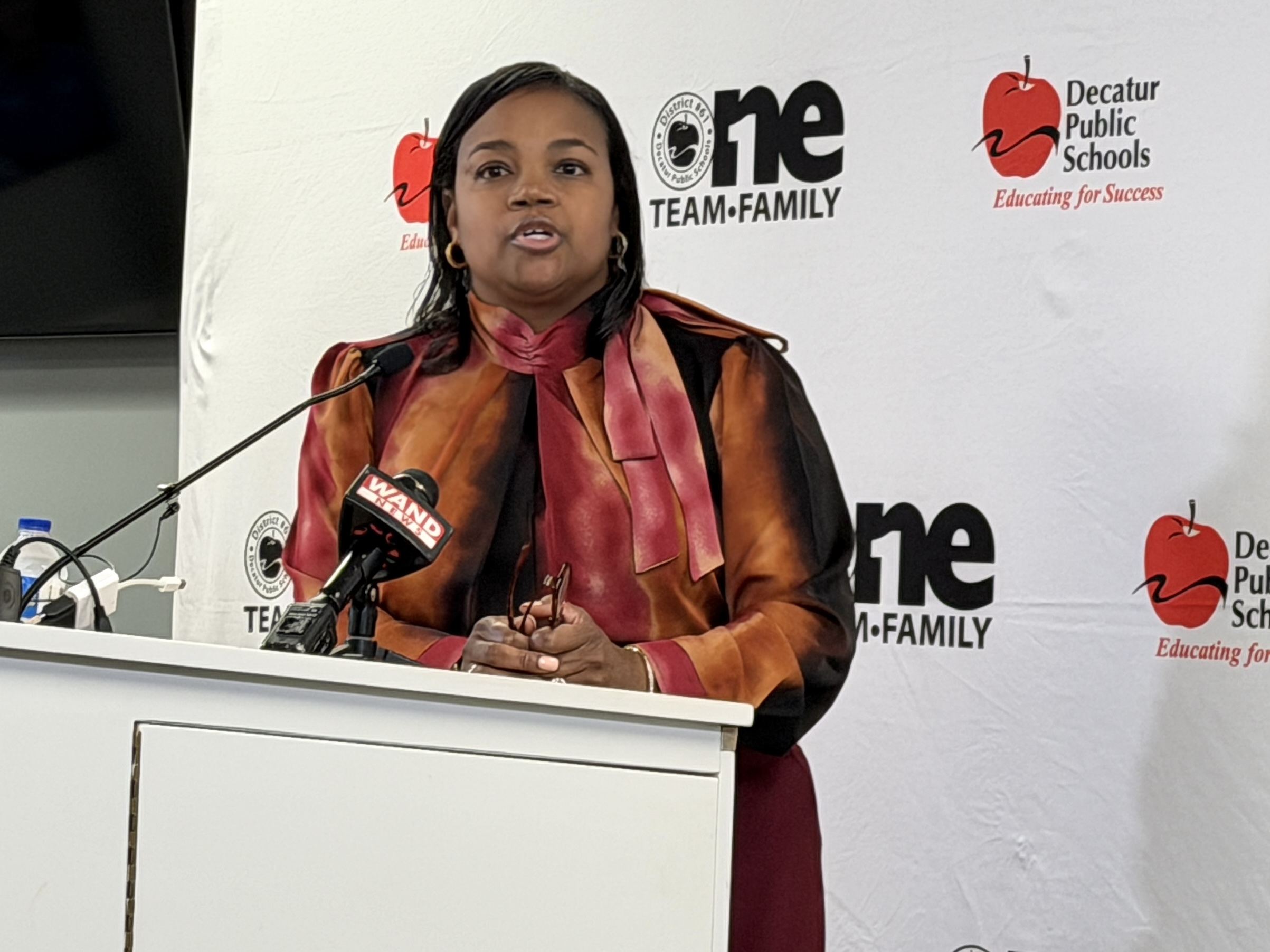
```json { "content": "
As Decatur Public Schools grapples with declining enrollment and budgetary challenges, the district's leadership is poised to make pivotal decisions that could reshape the educational landscape for years to come. Superintendent Dr. Nicole Nash Moody emphasizes the need for a facilities realignment that not only addresses current shortcomings but also enhances the learning environment for future generations. In a significant move on October 27, 2026, Decatur Public Schools District 61 released three preliminary scenarios outlining potential changes to its school buildings and grade-level configurations as part of its ambitious Roadmap 2030 Master Facilities Realignment initiative.
This comprehensive undertaking by Decatur Public Schools District 61 comes at a critical juncture for our community. The district faces a confluence of challenges, including persistent declining enrollment, a significant budget deficit, and ongoing staffing shortages. These factors, if left unaddressed, could profoundly impact the quality of education available to our children and the overall vitality of Decatur itself.
At the heart of Roadmap 2030 is a commitment to providing more equitable access to high-quality educational programming for every student. This vision recognizes that a strong educational foundation is paramount for nurturing the next generation, preparing them for successful careers, and fostering responsible citizenship. A thriving school system often reflects a thriving community, where families feel supported and children are given every opportunity to excel.
To navigate these complex issues, District 61 enlisted the expertise of Wold Architects and Engineers, a respected architectural firm known for its work in educational facility planning. Their involvement underscores a collaborative effort to revitalize the community's educational infrastructure. Wold Architects undertook a thorough assessment, touring district schools, engaging with administrators, and meticulously reviewing building blueprints to evaluate current facilities, available classroom space, and projected enrollment trends.
Superintendent Dr. Nicole Nash Moody has been a vocal proponent of this strategic realignment, stressing the importance of student and staff needs in the decision-making process. \"The district is working to develop a building configuration that better serves students and staff,\" Dr. Moody stated, highlighting the district's dedication to creating optimal learning and working environments. Her leadership in this initiative reflects a deep understanding of the challenges and opportunities facing our local schools.
The scenarios presented are not arbitrary; they are grounded in rigorous data analysis, specifically utilizing enrollment projections for the 2029-2030 school year. This forward-looking approach aims to ensure that any proposed changes are sustainable and responsive to future demographic shifts within Macon County. Understanding these trends is vital for long-term planning, ensuring that resources are allocated efficiently to benefit the maximum number of students.
Roadmap 2030 is more than just a facilities plan; it's a strategic framework designed to address the evolving needs of education in the 21st century. It acknowledges that the physical spaces where learning occurs play a crucial role in student success and teacher effectiveness. The three preliminary scenarios represent different pathways the district could take, each with its own implications for school closures, consolidations, and grade-level reconfigurations. These discussions are pivotal for the future of our educational system, guided by the Illinois State Board of Education's standards and best practices.
For new and established residents alike, understanding Roadmap 2030 is crucial. This initiative isn't merely about school buildings; it reflects significant demographic and economic shifts within our community, directly impacting property values, local services, and the future workforce. The district's efforts to realign facilities due to declining enrollment and budget constraints are a direct response to these trends. A stable, high-quality educational system is a cornerstone of strong communities, supporting intact families who seek the best opportunities for their children and contributing to the American dream of stable, loving households.
The issue of declining enrollment is not unique to Decatur, but it presents a particular challenge for resource allocation. Data from the U.S. Census Bureau and the National Center for Education Statistics often highlight shifts in population demographics that directly affect school districts. When fewer students are entering the system, districts must adapt to maintain efficiency and ensure that per-pupil funding is maximized for educational programming. This often means making difficult but necessary decisions about infrastructure.
Coupled with declining enrollment is the persistent budget deficit. Every dollar saved through efficient facility management can be reinvested directly into classrooms, teacher salaries, and specialized programs that benefit students. The State of Illinois provides funding, but local districts bear significant responsibility for their financial health. This financial prudence is essential for ensuring the long-term viability and excellence of our public schools.
The release of these scenarios marks the beginning, not the end, of a vital conversation. The district is committed to engaging the community in these discussions, recognizing that the decisions made will shape the educational journey of Decatur's children for decades to come. Parents, educators, community leaders, and concerned citizens are all encouraged to participate, offering their insights and perspectives. Organizations like the Illinois PTA play a crucial role in facilitating these dialogues.
The process of master facilities realignment, guided by professional standards from groups like the American Institute of Architects, is complex and requires careful consideration of many factors. It’s about more than just bricks and mortar; it’s about creating environments where young minds can flourish, where teachers are empowered, and where the community can take pride in its educational institutions. The goal, as articulated by the U.S. Department of Education, is to foster educational excellence for all.
As the district moves forward with these draft scenarios, the community is invited to engage in discussions that will ultimately shape the educational journey of Decatur's children, paving the way for a brighter future. This journey from concern over declining educational quality to hope for revitalization and improved access for all students is a testament to our community's resilience and dedication to its youth. By working together, Decatur can build a stronger foundation for its youth and the overall community, ensuring that every child has the opportunity to achieve their God-given potential within a stable, supportive environment.
", "imageAlt": "Decatur Public Schools Roadmap 2030 facilities realignment plan", "imageAlts": [ "Architectural rendering of a modern schoolBy Aisha Robinson

By James T. Holloway

By Mark Rivera

By James T. Holloway